Ditapis dengan
Animism, materiality, and museums:how do Byzantine things feel?
Among our most cherished modern assumptions is our distance from the material world we claim to love or, alternately, to dominate and own. As both devotional tool and art object, the Byzantine icon is rendered complicit in this distancing. According to well-established theological and scholarly explanations, the icon is a window onto the divine: it focuses and directs our minds to a higher unde…
- Edisi
- -
- ISBN/ISSN
- 9781942401742
- Deskripsi Fisik
- x, 167p.: ill.
- Judul Seri
- -
- No. Panggil
- 709.0214 PEE a
Interdisciplinary Approaches to Culture Theory
The central theme of the volume is interdisciplinary experimentation. The volume includes collaborative and interdisciplinary studies on a variety of topics, from territorialisation of theory, relations between culture theory and research methodology, culture-dependent meaning formation, power relations in discourses on religion, communal heritage management, celebration practices of (national)…
- Edisi
- -
- ISBN/ISSN
- 9789949033041
- Deskripsi Fisik
- -
- Judul Seri
- -
- No. Panggil
- 930.1 INT i
Across space and time:papers from the 41st Conference on Computer Application…
This volume presents a selection of the best papers presented at the forty-first annual Conference on Computer Applications and Quantitative Methods in Archaeology. The theme for the conference was "Across Space and Time", and the papers explore a multitude of topics related to that concept, including databases, the semantic Web, geographical information systems, data collection and management,…
- Edisi
- -
- ISBN/ISSN
- 9789089647153
- Deskripsi Fisik
- 515 pages : illustrations, maps ; 31 cm.
- Judul Seri
- -
- No. Panggil
- 930.1028 ACR a
Microorganisms in the deterioration and preservation of cultural heritage
This open access book offers a comprehensive overview of the role and potential of microorganisms in the degradation and preservation of cultural materials (e.g. stone, metals, graphic documents, textiles, paintings, glass, etc.). Microorganisms are a major cause of deterioration in cultural artefacts, both in the case of outdoor monuments and archaeological finds. This book covers the microorg…
- Edisi
- -
- ISBN/ISSN
- 9783030694111
- Deskripsi Fisik
- XII, 367 p.
- Judul Seri
- -
- No. Panggil
- 561.9 MIC m
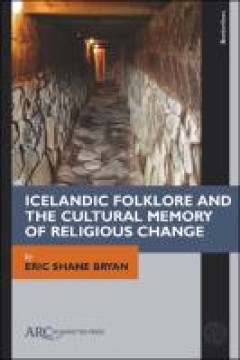
Icelandic folklore and the cultural memory of religious change
This book attempts to understand the origins and development of religious belief in Iceland and greater Scandinavia through the lenses of five carefully selected Icelandic folktales collected in Iceland during the nineteenth century. Each of these five stories has a story of its own: a historical and cultural context, a literary legacy, influences from beliefs of all kinds (orthodox and heterod…
- Edisi
- -
- ISBN/ISSN
- 9781641893763
- Deskripsi Fisik
- VII, 162 p.
- Judul Seri
- -
- No. Panggil
- 398 BRY i
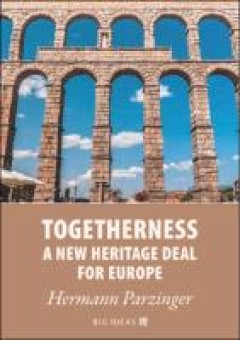
Togetherness :a new heritage deal for Europe
Europe’s cultural heritage is a vast, multifaceted mosaic showing who we were, who we are and who we aspire to be. We are all responsible for this huge, precious and fragile legacy. The coronavirus pandemic revealed that unexpected events can suddenly change our way of life. In the future, other threats could well pose further challenges to our safety, health and environment as well as our so…
- Edisi
- -
- ISBN/ISSN
- 9789286148453
- Deskripsi Fisik
- 40 p.
- Judul Seri
- -
- No. Panggil
- 363 PAR t
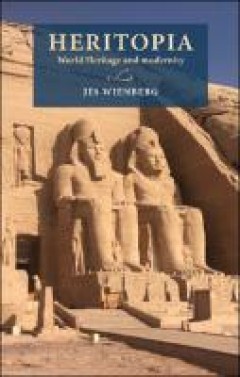
Heritopia :world heritage and modernity
Heritopia explores the multiple meanings of the past in the present, using the famous temples of Abu Simbel and other World Heritage sites as points of departure. It employs three perspectives in its attempt to understand and explain both past and present the truth of knowledge, the beauties of narrative, and ethical demands. Crisis theories are rejected as nostalgic expressions of contemporary…
- Edisi
- -
- ISBN/ISSN
- 9789198469943
- Deskripsi Fisik
- XI, 323 p.
- Judul Seri
- -
- No. Panggil
- 363.69 JES h
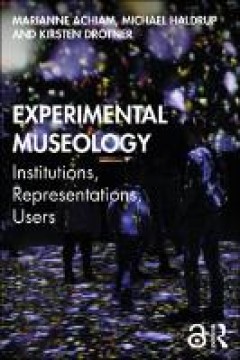
Experimental museology:institutions, representations, users
Experimental Museology scrutinizes innovative endeavours to transform museum interactions with the world. Analysing cutting-edge cases from around the globe, the volume demonstrates how museums can design, apply and assess new modes of audience engagement and participation. Written by an interdisciplinary group of researchers and research-led professionals, the book argues that museum transform…
- Edisi
- -
- ISBN/ISSN
- 9780367808433
- Deskripsi Fisik
- XV, 214 p.
- Judul Seri
- -
- No. Panggil
- 069 EXP e
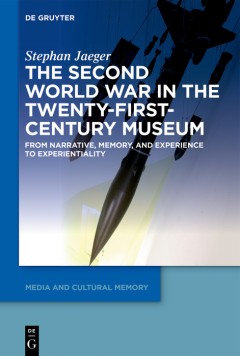
The Second World War in the Twenty-First-Century Museum :from narrative, memo…
The Second World War is omnipresent in contemporary memory debates. As the war fades from living memory, this study is the first to systematically analyze how Second World War museums allow prototypical visitors to comprehend and experience the past. It analyzes twelve permanent exhibitions in Europe and North America – including the Bundeswehr Military History Museum in Dresden, the Museum o…
- Edisi
- -
- ISBN/ISSN
- 9783110664416
- Deskripsi Fisik
- XIV, 354 p.
- Judul Seri
- -
- No. Panggil
- 943 JAE s
Art markets and digital histories
This Special Issue of Arts investigates the use of digital methods in the study of art markets and their histories. As historical and contemporary data is rapidly becoming more available, and digital technologies are becoming integral to research in the humanities and social sciences, we sought to bring together contributions that reflect on the different strategies that art market scholars emp…
- Edisi
- -
- ISBN/ISSN
- 9783039219711
- Deskripsi Fisik
- IX, 144 p.
- Judul Seri
- -
- No. Panggil
- 700 RAS a
 Karya Umum
  Filsafat
  Agama
Agama  Ilmu-ilmu Sosial
  Bahasa
  Ilmu-ilmu Murni
  Ilmu-ilmu Terapan
  Kesenian, Hiburan, dan Olahraga
  Kesusastraan
  Geografi dan Sejarah