Ditapis dengan

Easy Language – plain language – easy language plus :balancing comprehens…
This book shows how accessible communication, and especially easy-to-understand languages, should be designed in order to become instruments of inclusion. It examines two well-established easy-to-understand varieties: Easy Language and Plain Language, and shows that they have complementary profiles with respect to four central qualities: comprehensibility, perceptibility, acceptability and stig…
- Edisi
- -
- ISBN/ISSN
- 9783732992997
- Deskripsi Fisik
- 301 p.
- Judul Seri
- -
- No. Panggil
- 428.2 MAA e
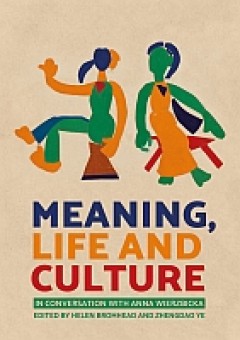
Meaning, life and culture :in conversation with Anna Wierzbicka
This book is dedicated to Anna Wierzbicka, one of the most influential and innovative linguists of her generation. Her work spans a number of disciplines, including anthropology, cultural psychology, cognitive science, philosophy and religious studies, as well as her home base of linguistics. She is best known for the Natural Semantic Metalanguage (NSM) approach to meaning—a versatile tool fo…
- Edisi
- -
- ISBN/ISSN
- 9781760463939
- Deskripsi Fisik
- XVIII, 515 p.
- Judul Seri
- -
- No. Panggil
- 801.4 MEA m
 Karya Umum
  Filsafat
  Agama
Agama  Ilmu-ilmu Sosial
  Bahasa
  Ilmu-ilmu Murni
  Ilmu-ilmu Terapan
  Kesenian, Hiburan, dan Olahraga
  Kesusastraan
  Geografi dan Sejarah