Ditapis dengan
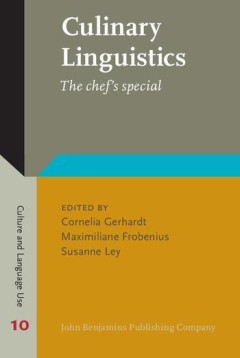
Culinary linguistics :the chef's special
Language and food are universal to humankind. Language accomplishes more than a pure exchange of information, and food caters for more than mere subsistence. Both represent crucial sites for socialization, identity construction, and the everyday fabrication and perception of the world as a meaningful, orderly place. This volume contains an introduction to the study of food and an extensive over…
- Edisi
- -
- ISBN/ISSN
- 9789027202932
- Deskripsi Fisik
- xvi, 347p. : ill.
- Judul Seri
- -
- No. Panggil
- 420.147 CUL c
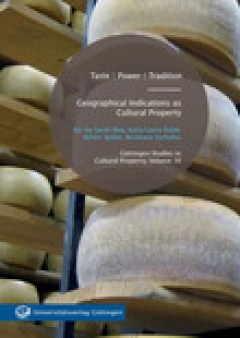
Taste, power, tradition:geographical indications as cultural property
The idea of origin in terms of space and culture as a special indicator of quality is one of the most influential strands in contemporary food. It impacts on politics, economics and everyday life – and it connects these fields with complex relations of power and culture. With geographical indications, the EU offers an instrument which allows for the declaration of specialties, qualified by…
- Edisi
- -
- ISBN/ISSN
- 9783863952082
- Deskripsi Fisik
- 132 page : ill.; 24 cm.
- Judul Seri
- -
- No. Panggil
- 641 TAS t
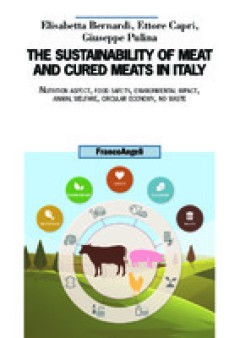
The sustainability of meat and cured meats in Italy:nutritional aspect, food …
From the mid-1980s, meat consumption in Italy and the western world have stabilised and, in the face of a well-established food security, we have witnessed a changed sensitivity for ethical issues, such as animal welfare and environmental impacts of farms. Analysing the sustainability of meat and cured meats means studying in the most objective way possible different topics concerning both the …
- Edisi
- -
- ISBN/ISSN
- 9788891793324
- Deskripsi Fisik
- 251p.: ill.
- Judul Seri
- -
- No. Panggil
- 636.0883 BER s
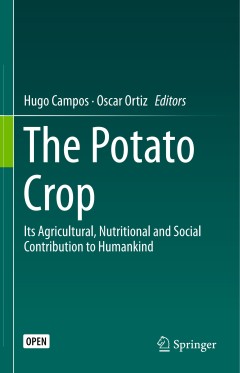
The potato crop :its agricultural, nutritional and social contribution to hum…
This book provides a fresh, updated and science-based perspective on the current status and prospects of the diverse array of topics related to the potato, and was written by distinguished scientists with hands-on global experience in research aspects related to potato. The potato is the third most important global food crop in terms of consumption. Being the only vegetatively propagated specie…
- Edisi
- -
- ISBN/ISSN
- 9783030286835
- Deskripsi Fisik
- xvii, 518p. : ill.
- Judul Seri
- -
- No. Panggil
- 635.21 POT p
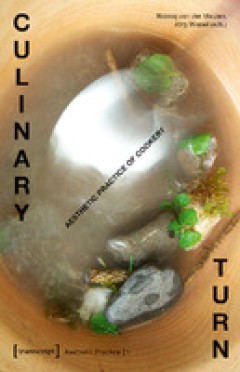
Culinary turn:aesthetic practice of cookery
Kitchen, cooking, nutrition, and eating have become omnipresent cultural topics. They stand at the center of design, gastronomy, nutrition science, and agriculture. Artists have appropriated cooking as an aesthetic practice – in turn, cooks are adapting the staging practices that go with an artistic self-image. This development is accompanied by a philosophy of cooking as a speculative cultur…
- Edisi
- -
- ISBN/ISSN
- 9783839430316
- Deskripsi Fisik
- 324 p. : ill. (chiefly color) ; 24 cm.
- Judul Seri
- -
- No. Panggil
- 641.013 CUL c
 Karya Umum
  Filsafat
  Agama
Agama  Ilmu-ilmu Sosial
  Bahasa
  Ilmu-ilmu Murni
  Ilmu-ilmu Terapan
  Kesenian, Hiburan, dan Olahraga
  Kesusastraan
  Geografi dan Sejarah