Ditapis dengan
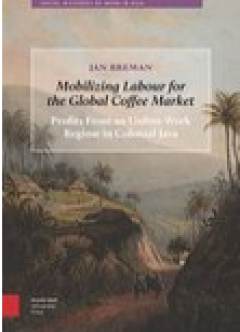
Mobilizing labour for the global cofee market
Coffee has been grown on Java for the commercial market since the early eighteenth century, when the Dutch East India Company began buying from peasant producers in the Priangan highlands. What began as a commercial transaction, however, soon became a system of compulsory production. This book shows how the Dutch East India Company mobilised land and labour, why they turned to force cultivation…
- Edisi
- -
- ISBN/ISSN
- 9789048527144
- Deskripsi Fisik
- 413p.: ill.
- Judul Seri
- -
- No. Panggil
- 950 BRE m
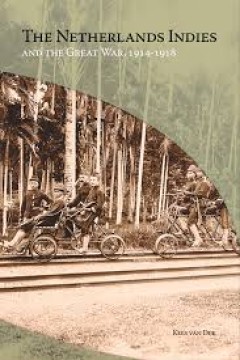
Netherlands Indies and the Great War 1914-1918
World War I had just broken out, but colonial authorities in the Netherlands Indies heaved a sigh of relief: The colonial export sector had not collapsed and war offered new economic prospects; representatives from the Islamic nationalist movement had prayed for God to bless the Netherlands but had not seized upon the occasion to incite unrest. Furthermore, the colonial government, impressed by…
- Edisi
- -
- ISBN/ISSN
- 9789067183086(pbk.)
- Deskripsi Fisik
- xiii, 674 p. : ill. ; 24 cm.
- Judul Seri
- -
- No. Panggil
- 959.8022 VAN n
Written Culture in a Colonial Context:Africa and the Americas 1500-1900
There is very little in the modern literature on the history of written culture that describes the specific practices related to writing that were anchored in colonial contexts. It was not just ships, soldiers, missionaries and settlers that drove the process of European expansion from the 16th to the 19th centuries. The circulation of images, manuscripts and books between different continents …
- Edisi
- -
- ISBN/ISSN
- 9781919895260
- Deskripsi Fisik
- -
- Judul Seri
- -
- No. Panggil
- 302.224409 DEL w
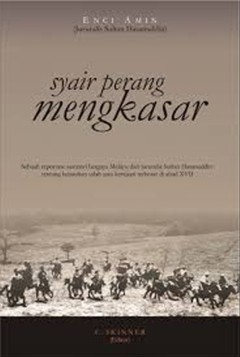
Sja'ir perang Mengkasar
- Edisi
- -
- ISBN/ISSN
- 9789004286047
- Deskripsi Fisik
- -
- Judul Seri
- -
- No. Panggil
- 959.84021 ENT s
- Edisi
- -
- ISBN/ISSN
- 9789004286047
- Deskripsi Fisik
- -
- Judul Seri
- -
- No. Panggil
- 959.84021 ENT s
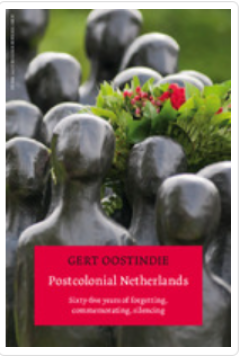
Postcolonial Netherlands :sixty-five years of forgetting, commemorating, sile…
The Netherlands is home to one million citizens with roots in the former colonies Indonesia, Suriname and the Antilles. Entitlement to Dutch citizenship, pre-migration acculturation in Dutch language and culture as well as a strong rhetorical argument (‘We are here because you were there’) were strong assets of the first generation. This ‘postcolonial bonus’ indeed facilitated their int…
- Edisi
- -
- ISBN/ISSN
- 9789048514021
- Deskripsi Fisik
- 290p.: ill.
- Judul Seri
- -
- No. Panggil
- 940.5 OOS p
 Karya Umum
  Filsafat
  Agama
Agama  Ilmu-ilmu Sosial
  Bahasa
  Ilmu-ilmu Murni
  Ilmu-ilmu Terapan
  Kesenian, Hiburan, dan Olahraga
  Kesusastraan
  Geografi dan Sejarah