Ditapis dengan
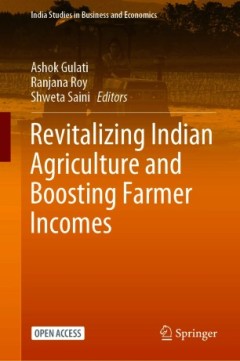
Revitalizing Indian agriculture and boosting farmer incomes
This open access book provides an evidence-based roadmap for revitalising Indian agriculture while ensuring that the growth process is efficient, inclusive, and sustainable, and results in sustained growth of farmers’ incomes. The book, instead of looking for global best practices and evaluating them to assess the possibility of replicating these domestically, looks inward at the best practic…
- Edisi
- -
- ISBN/ISSN
- 9789811593352
- Deskripsi Fisik
- xxii, 372p. : ill.
- Judul Seri
- -
- No. Panggil
- 338.10954 REV r
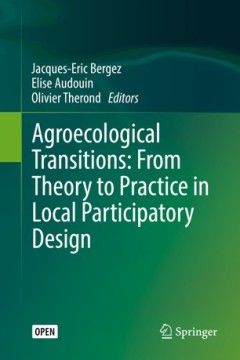
Agroecological transitions :from theory to practice in local participatory de…
There is wide agreement on the need to change the prevalent agricultural models, given their negative impacts and their incompatibility with current societal issues. Agroecological transition has been promoted as a potential solution to the ecological, social and economic problems generated by these models. It however involves a systemic, multi-scale and transdisciplinary process. Due to thi…
- Edisi
- -
- ISBN/ISSN
- 9783030019532
- Deskripsi Fisik
- xvi, 335p. : ill.
- Judul Seri
- -
- No. Panggil
- 577.55 AGR a
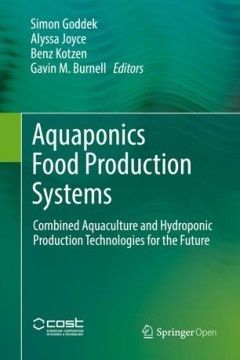
Aquaponics food production systems :combined aquaculture and hydroponic produ…
This open access book, written by world experts in aquaponics and related technologies, provides the authoritative and comprehensive overview of the key aquaculture and hydroponic and other integrated systems, socio-economic and environmental aspects. Aquaponic systems, which combine aquaculture and vegetable food production offer alternative technology solutions for a world that is increasingl…
- Edisi
- -
- ISBN/ISSN
- 9783030159436
- Deskripsi Fisik
- xvi, 619p. : ill.
- Judul Seri
- -
- No. Panggil
- 577.7 AQU a
Rice improvement:physiological, Molecular Breeding and Genetic perspectives
This book is open access under a CC BY 4.0 license. By 2050, human population is expected to reach 9.7 billion. The demand for increased food production needs to be met from ever reducing resources of land, water and other environmental constraints. Rice remains the staple food source for a majority of the global populations, but especially in Asia where ninety percent of rice is grown and cons…
- Edisi
- -
- ISBN/ISSN
- 9783030665302
- Deskripsi Fisik
- xvi, 498p.: ill.
- Judul Seri
- -
- No. Panggil
- 633.18 RIC r
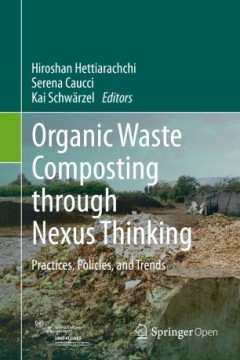
Organic waste composting through nexus thinking :practices, policies, and trends
Organic waste composting is another excellent example to demonstrate the power and the benefits of nexus thinking. Even though organic waste composting itself is not a new topic, those who want to start a new project or align an ongoing project with nexus thinking, find it difficult to gather the necessary information. With nine case studies from four continents, this book aims to fill above ga…
- Edisi
- -
- ISBN/ISSN
- 9783030362836
- Deskripsi Fisik
- viii, 232p. : ill.
- Judul Seri
- -
- No. Panggil
- 668.6375 ORG o
 Karya Umum
  Filsafat
  Agama
Agama  Ilmu-ilmu Sosial
  Bahasa
  Ilmu-ilmu Murni
  Ilmu-ilmu Terapan
  Kesenian, Hiburan, dan Olahraga
  Kesusastraan
  Geografi dan Sejarah