Ditapis dengan
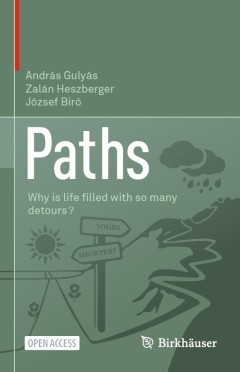
Paths :Why is life filled with so many detours?
This open access book explores the amazing similarity between paths taken by people and many other things in life, and its impact on the way we live, teach and learn. Offering insights into the new scientific field of paths as part of the science of networks, it entertainingly describes the universal nature of paths in large networked structures. It also shows the amazing similarity in the w…
- Edisi
- -
- ISBN/ISSN
- 9783030475451
- Deskripsi Fisik
- xxv, 86p. : ill.
- Judul Seri
- -
- No. Panggil
- 511.5 GUL p
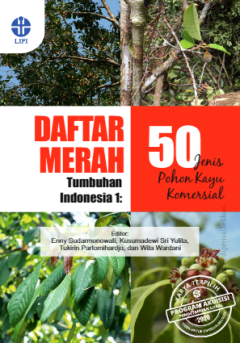
Daftar merah tumbuhan Indonesia 1:50 jenis pohon kayu komersial
Jenis kayu komersial pernah menjadi sumber penghasil devisa penting bagi Indonesia. Kayu-kayu komersial, terutama yang mendominasi hutan dataran rendah, telah mengalami perubahan alih fungsi lahan yang begitu cepat sejak tiga dekade lalu sehingga mengakibatkan menurunnya habitat dan populasi alam. Apabila tidak segera dilakukan aksi konservasi yang nyata, jenis-jenis tersebut bisa punah dalam w…
- Edisi
- -
- ISBN/ISSN
- 9786024960964
- Deskripsi Fisik
- xvi, 75 p. ; 21 cm.
- Judul Seri
- -
- No. Panggil
- 575.46598 SUD d
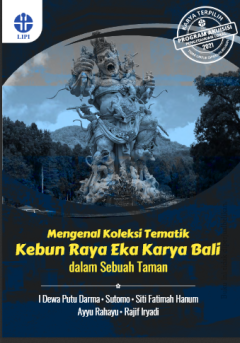
Mengenal koleksi tematik kebun raya eka karya bali dalam sebuah taman
Kebun Raya Eka Karya Bali merupakan salah satu kebun raya yang dikelola oleh Pusat Penelitian Konservasi Tumbuhan dan Kebun Raya, Lembaga Ilmu Pengetahuan Indonesia (PPKTR-LIPI). Terletak di kawasan dataran tinggi Bedugul, kebun raya ini menjanjikan pemandangan alam yang sangat indah disertai dengan udara sejuk khas pegunungan. Koleksi tumbuhan dari dataran tinggi kering dan kawasan timur Indon…
- Edisi
- -
- ISBN/ISSN
- 9786024961954
- Deskripsi Fisik
- xix, 124 p, ; 21 cm
- Judul Seri
- -
- No. Panggil
- 580.73 DAR m
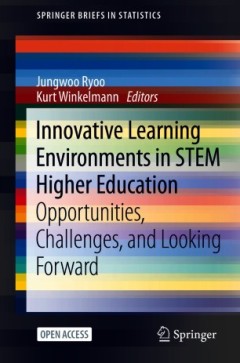
Innovative learning environments in STEM higher education :opportunities, cha…
As explored in this open access book, higher education in STEM fields is influenced by many factors, including education research, government and school policies, financial considerations, technology limitations, and acceptance of innovations by faculty and students. In 2018, Drs. Ryoo and Winkelmann explored the opportunities, challenges, and future research initiatives of innovative learning …
- Edisi
- -
- ISBN/ISSN
- 9783030589486
- Deskripsi Fisik
- xv, 137p. : ill.
- Judul Seri
- -
- No. Panggil
- 507.11 INN i
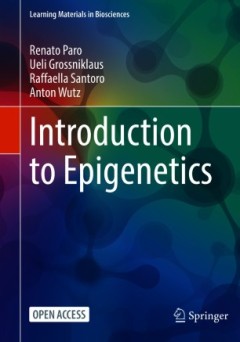
Introduction to epigenetics
This open access textbook leads the reader from basic concepts of chromatin structure and function and RNA mechanisms to the understanding of epigenetics, imprinting, regeneration and reprogramming. The textbook treats epigenetic phenomena in animals, as well as plants. Written by four internationally known experts and senior lecturers in this field, it provides a valuable tool for Master- and …
- Edisi
- -
- ISBN/ISSN
- 9783030686703
- Deskripsi Fisik
- xii, 215p. : ill.
- Judul Seri
- -
- No. Panggil
- 576.5 INT i
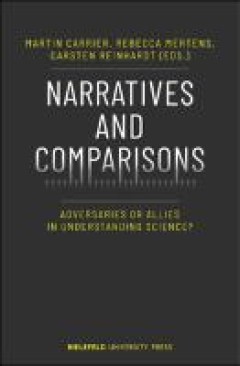
Narratives and comparisons :adversaries or allies in understanding science?
As a powerful tool in the production of knowledge, comparing plays a crucial part in the sciences and the humanities. This volume explores the relationship between comparing and narrating in epistemic practices and clarifies the ways in which narratives enable or impede practices of comparing. It takes into account related activities, such as measuring and classifying, modeling, establishing no…
- Edisi
- -
- ISBN/ISSN
- 9783839454152
- Deskripsi Fisik
- 202 p.
- Judul Seri
- -
- No. Panggil
- 501 NAR n
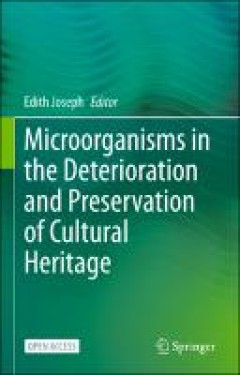
Microorganisms in the deterioration and preservation of cultural heritage
This open access book offers a comprehensive overview of the role and potential of microorganisms in the degradation and preservation of cultural materials (e.g. stone, metals, graphic documents, textiles, paintings, glass, etc.). Microorganisms are a major cause of deterioration in cultural artefacts, both in the case of outdoor monuments and archaeological finds. This book covers the microorg…
- Edisi
- -
- ISBN/ISSN
- 9783030694111
- Deskripsi Fisik
- XII, 367 p.
- Judul Seri
- -
- No. Panggil
- 561.9 MIC m
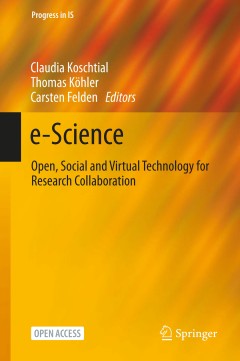
E-science :open, social and virtual technology for research collaboration
This open access book shows the breadth and various facets of e-Science, while also illustrating their shared core. Changes in scientific work are driven by the shift to grid-based worlds, the use of information and communication systems, and the existential infrastructure, which includes global collaboration. In this context, the book addresses emerging issues such as open access, collaborati…
- Edisi
- -
- ISBN/ISSN
- 9783030662622
- Deskripsi Fisik
- xii, 185p. : ill.
- Judul Seri
- -
- No. Panggil
- 507.2 ELE e
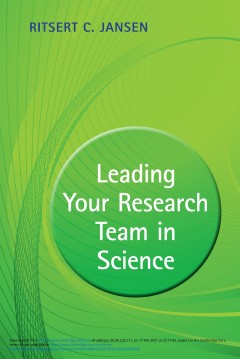
Leading your research team in science
Team leaders should be full of ideas for new research projects and inspire a research group to achieve great results. This practical guide for team leaders, and those who aspire to become team leader, offers a unique approach to help readers develop research and become a more independent and productive investigator. Readers can learn how to recruit and develop talented team members, how to nego…
- Edisi
- -
- ISBN/ISSN
- 9781108601993
- Deskripsi Fisik
- x, 223p. : ill.
- Judul Seri
- -
- No. Panggil
- 507.21 JAN l
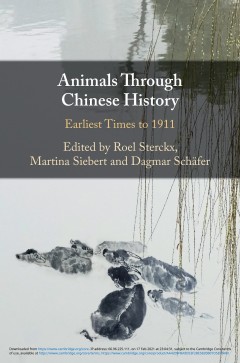
Animals through Chinese history :earliest times to 1911
This volume opens a door into the rich history of animals in China. As environmental historians turn their attention to expanded chronologies of natural change, something new can be said about human history through animals and about the globally diverse cultural and historical dynamics that have led to perceptions of animals as wild or cultures as civilized. This innovative collection of essays…
- Edisi
- -
- ISBN/ISSN
- 9781108551571
- Deskripsi Fisik
- xiii, 277p. : ill.
- Judul Seri
- -
- No. Panggil
- 590.951 ANI a
 Karya Umum
  Filsafat
  Agama
Agama  Ilmu-ilmu Sosial
  Bahasa
  Ilmu-ilmu Murni
  Ilmu-ilmu Terapan
  Kesenian, Hiburan, dan Olahraga
  Kesusastraan
  Geografi dan Sejarah